Description
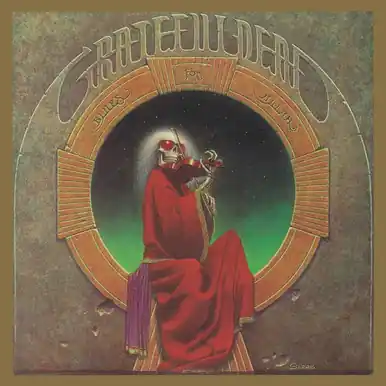
Grateful Dead’sBlues for AllahReissued for Its 50th Anniversary Edition on LP: Newly Remastered by David Glasser, Sourced from the Original Analog Tapes With Speed Correction and Tape Restoration by Plangent Processes.
Blues for Allahis the Dead’s unique vision, a deeply humane parable that framed their own artistic renewal in the most inclusive, expansive terms. Fifty years later, it remains one of their most musically successful and resolutely experimental albums. – Nicholas G. Meriwether, Executive Director of the Grateful Dead Studies Association,Blues for Allah: 50th Anniversary EditionLiner Note Writer.
When the Grateful Dead took a self-imposed hiatus in 1974 after their farewell run at Winterland, they left the road with no clear sense of when—or if—they’d return. A year later, the band surprised everyone when they reemerged withBlues for Allah, one of the most forward-thinking, sonically adventurous albums of their career.
This LP features a newly remastered version of the original album by GRAMMY® Award-winning engineer David Glasser, sourced from the original analog tapes with speed correction and tape restoration by Plangent Processes.Blues for Allahsaw the Grateful Dead attempt something they never had before—and never would again. They would make the record almost entirely without pre-written material.
Working at Bobby Weir’s home studio—just big enough to hold the band and their gear—the sessions took on an intimate, exploratory feel. Robert Hunter was back in the thick of it, writing lyrics on the spot as the songs took shape. Keith Godchaux’s keys gave the album its spacious texture, while Donna Jean’s harmony vocals elevated songs like “The Music Never Stopped.” “Crazy Fingers” became, in Phil Lesh’s words, “a marvelous essay in smoky ambiguity.” The mostly instrumental title suite pushed even further out, with Bill Kreutzmann saying it “bordered on acid-jazz composition.” Mickey Hart’s role was central, weaving percussion—and slowed-down field recordings of crickets—into a rich, immersive tapestry of sound.
The whole idea was to get back to that band thing, where the band makes the main contribution to the evolution of the material. – Jerry Garcia